
Best Internet for Vanlife Canada: Everything You Need to Stay Connected on the Road
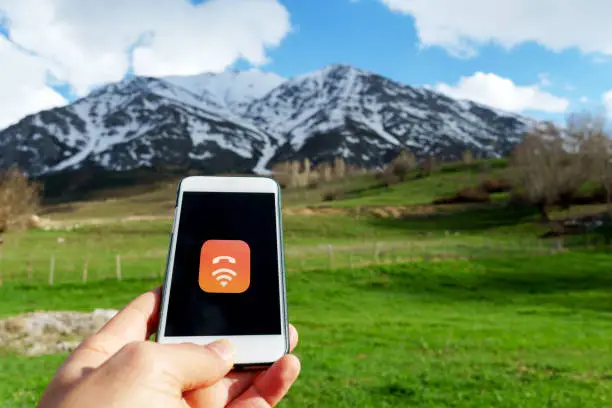
If you live in a van and travel across Canada, one of the biggest challenges you will face is staying connected to the internet. Canada is a massive country with stunning mountains, thick forests, wide open prairies, and remote coastlines. But all that wild beauty comes with a real downside. A lot of it has little to no cell signal.
Whether you work remotely, stream videos to relax after a long drive, or just want to stay in touch with family, having reliable internet on the road is not a luxury anymore. It is a necessity.
This guide breaks down everything you need to know about finding the best internet for vanlife in Canada. We will cover your options, what works in remote areas, what to look for in a plan, and how real van lifers are staying connected from coast to coast.
Why Internet Access Is So Challenging for Van Lifers in Canada
Canada is the second largest country in the world by land area. But most of the population is clustered near the southern border, which means cell towers are mostly concentrated there too.
Once you drive north of major cities or into rural provinces, coverage drops fast. Parks like Banff, Jasper, and Algonquin are popular van life destinations but they are also well known dead zones for mobile data.
Add to that the fact that Canadian mobile plans are among the most expensive in the world, and you have a real problem for anyone trying to stay connected on a budget. According to the Canadian Radio-television and Telecommunications Commission, improving rural and remote connectivity remains one of the biggest infrastructure priorities in Canada, which tells you a lot about where things currently stand.
So what are your options? Let us look at each one.
Option 1: Mobile Hotspot with a Canadian SIM Card
The most common way van lifers get internet in Canada is through a mobile hotspot. You buy a data-heavy SIM card, plug it into a hotspot device or use your phone, and connect your laptop and other devices through Wi-Fi.
The key is picking the right carrier and the right plan.
The Big Three Carriers in Canada
Canada has three major national carriers: Rogers, Bell, and Telus. They all share similar coverage maps in many areas and they power most of the smaller carriers through roaming agreements.
Rogers tends to have strong coverage in Ontario and British Columbia. Bell is often the best choice for Quebec and eastern Canada. Telus covers a lot of western Canada well including parts of rural Alberta and BC.
If you are crossing the country, it is worth researching which carrier has the strongest coverage for your planned route before you commit to a plan.
Budget Friendly MVNOs
If you want to save money, look at Mobile Virtual Network Operators, also called MVNOs. Freedom Mobile offers affordable plans but coverage is mainly in urban areas. Chatr runs on the Rogers network with decent urban coverage. Lucky Mobile runs on Bell with similar coverage limitations. Public Mobile runs on the Telus network and offers great value for moderate data users.
The downside of MVNOs is that they often have limited or no roaming on other networks. In dead zones, you simply have nothing. For van life in remote Canada, this can be a serious issue.
What to Look For in a Hotspot Plan
When shopping for a mobile data plan for vanlife in Canada, a few things matter most.
Look for a high data cap or unlimited data. Van lifers burn through data fast, so you want at least 50GB or an unlimited plan. Truly unlimited high speed plans are rare and expensive in Canada, but they do exist.
Always check the network coverage map before committing to any plan. Make sure the carrier covers the regions you actually plan to travel through.
Check whether hotspot data is included. Some plans restrict how much of your data allowance you can use as a hotspot, which matters if you are tethering a laptop.
Pay attention to throttling speeds. After you hit your high-speed limit, most Canadian plans slow down to 512kbps or less. That is barely enough to send emails, let alone work remotely or take video calls.
Option 2: Starlink for Vanlife Canada
Starlink is a satellite internet service run by SpaceX. It works by sending your signal to a network of low-earth orbit satellites instead of cell towers. That means it works almost anywhere with a clear view of the sky including remote forests, mountain valleys, and northern Canada.
For van lifers, Starlink has been a complete game changer.
How It Works
You purchase a Starlink dish called a Dishy and a router. The dish connects to satellites overhead and delivers internet to your router. You connect your devices to the router just like home Wi-Fi.
Setup takes about 15 minutes. The dish self aligns automatically. You basically plug it in, point it at the sky, and it figures out the rest.
Starlink Roam Plan
Starlink offers a specific plan called Starlink Roam, which was formerly known as Starlink RV. This plan is designed for people who move around and do not have a fixed address. You pay month to month with no long-term contract and can pause service when you are in a city and want to use a cheaper option instead.
Speeds typically range from 25 Mbps to 100 Mbps, which is more than enough for video calls, streaming, and remote work.
The Downsides of Starlink
The hardware costs around 700 CAD upfront. Monthly service runs around 150 to 165 CAD. The dish needs a clear view of the sky and trees can block the signal. It also uses a fair amount of power, which matters in a van with limited solar capacity. The dish is bulky, so storing and mounting it requires some planning.
Despite these downsides, many van lifers in Canada say Starlink is the best investment they have made for remote connectivity. If you spend a lot of time off the beaten path, the cost is easy to justify.
Option 3: Portable Wi-Fi Devices and Data Routers
Beyond phone hotspots, you can also use dedicated portable Wi-Fi routers. These are small devices that accept a SIM card and create a stronger and more reliable Wi-Fi network than your phone can on its own.
Popular options include devices from Netgear, GL.iNet, and Pepwave. These routers often support multiple SIM cards or can be paired with external antennas to boost weak signals in areas where coverage is marginal.
Some van lifers also use signal boosters like the WeBoost Drive X RV, which amplifies existing cell signals from distant towers. This will not give you internet where there is zero signal, but it can turn a weak barely usable signal into something that actually works for browsing and light work.
Option 4: Combining Multiple Solutions
The most reliable approach for full-time van life across Canada is to use more than one solution at the same time.
A common setup looks like this. Starlink serves as the primary connection for remote areas and heavy use days. A mobile hotspot with a major carrier acts as the backup connection for urban areas and when Starlink is not practical. A signal booster like the WeBoost helps pull in weak signals when you are on the edge of coverage.
This setup gives you reliable internet in almost any situation. Yes, it costs more money upfront. But if your income depends on staying connected, it pays for itself quickly.
Best SIM Cards for Vanlife Canada
Here is a quick breakdown of what works best depending on your travel style.
For cross-country travel, a Telus or Bell postpaid plan is your best bet. Both have the widest rural coverage in Canada.
For budget travelers, Public Mobile on the Telus network offers solid value. Their data-only plans are worth checking.
For heavy data users, Rogers or Bell unlimited plans offer the most consistent experience despite the higher cost.
For short term or seasonal van lifers, prepaid plans from any of the Big Three work well without a long-term commitment.
One important tip: always buy your SIM card before leaving a major city if you are heading into remote territory. Activating a new SIM in the backcountry is very difficult and sometimes impossible.
Tips for Managing Internet in Remote Canada
Living in a van means learning to work with what you have. Here are some practical tips that make a real difference on the road.
Download content in advance. Before leaving a city, download maps, podcasts, movies, and any work files you will need. This saves your data for things that actually require a live connection.
Use a signal finder app. Apps like OpenSignal or your carrier’s own coverage map can help you find the nearest tower and position your vehicle for the best possible signal.
Work from libraries and cafes in small towns. Most small towns across Canada have free Wi-Fi at the public library or a local coffee shop. It is also a great excuse to explore the community.
Schedule heavy tasks for good signal days. Video calls, large file uploads, and software updates should happen when you have a strong connection. Do not waste limited data trying to force them through a weak signal.
Turn off automatic updates on your phone and laptop. Your devices will constantly try to update apps and software in the background. Disabling this protects your data allowance significantly.
How Much Does Vanlife Internet Cost in Canada?
Here is a rough monthly estimate for different setups.
A budget SIM card from an MVNO runs around 30 to 50 CAD per month. A major carrier unlimited plan runs 75 to 120 CAD per month. Starlink Roam satellite service runs 150 to 165 CAD per month. A dual setup combining a carrier plan with Starlink runs approximately 220 to 285 CAD per month.
These costs are real and significant, especially when you factor in all your other van expenses. But for remote workers and digital nomads, reliable internet is often the difference between making van life work and having to give it up.
Frequently Asked Questions
What is the best internet option for vanlife in Canada?
It depends on where you travel and how much data you use. For remote areas and wilderness travel, Starlink is the most reliable option available. For travel along major routes and southern Canada, a Telus or Bell postpaid plan with a high data allowance usually gets the job done. For the most reliable setup possible, combining both gives you coverage in almost every situation.
Does Starlink work in Canadian national parks?
Yes, Starlink works in most Canadian national parks as long as you have a clear view of the sky. Dense tree cover can reduce signal quality, but in open campsites and meadows it performs very well. It is one of the few options that works reliably in places like Banff, Jasper, and other remote park destinations.
Which Canadian carrier has the best rural coverage?
Telus and Bell generally have the strongest rural coverage across Canada. Telus covers western Canada particularly well including rural Alberta and BC. Bell tends to perform better in Quebec and eastern Canada. Rogers is strong in Ontario and BC but falls behind in more remote regions.
Can I use a Canadian SIM card for vanlife if I am from another country?
Yes. Visitors and newcomers can purchase prepaid SIM cards from any of the Big Three carriers or their MVNOs without a Canadian address. Prepaid plans from Rogers, Bell, or Telus are the safest bet for short-term van life in Canada.
Is Starlink worth the cost for vanlife in Canada?
For van lifers who work remotely or spend significant time in remote areas, most people say yes. The upfront hardware cost of around 700 CAD is the biggest barrier, but the monthly service at 150 to 165 CAD is manageable when you consider how much reliable remote internet is worth. The Canadian Internet Registration Authority publishes annual reports on internet access across Canada that highlight just how significant the rural coverage gap still is, which helps explain why satellite internet has become so popular with van lifers.
How can I reduce my data usage while living in a van in Canada?
Download content before leaving cities, turn off automatic app and system updates, use offline maps through apps like Maps.me or Google Maps offline mode, schedule video calls and large uploads for strong signal days, and stream at lower video quality settings when your connection is limited.
Final Thoughts: What Is the Best Internet for Vanlife Canada?
There is no single answer that works for everyone. Your best option depends on where you travel, how much data you use, and what your budget allows.
If you stick mostly to southern Canada and major routes, a good mobile data plan from Telus, Bell, or Rogers may be all you need. If you love deep wilderness and remote parks, Starlink is worth every dollar. If you want the most reliable setup possible, combine both.
The good news is that connectivity in Canada is improving every year. New towers, expanded Starlink coverage, and better LTE networks mean that staying connected in the van has never been easier even in remote areas.
Plan ahead, know your options, and you will be streaming sunsets from the mountains before you know it.