Canada Road Trip Vanlife: The Ultimate Guide to Living on the Road
So you want to hit the open road in Canada with a van? You are not alone. Every year thousands of travelers from solo adventurers to couples and families pack their bags, convert a van into a cozy home on wheels, and set off to explore one of the most breathtaking countries on the planet.
Canada road trip vanlife is not just a travel trend. It is a lifestyle. And if you do it right it can be one of the most rewarding experiences of your life. From the rugged Rocky Mountains of Alberta to the dramatic coastlines of Nova Scotia, Canada offers some of the best road trips in the world all waiting to be discovered at your own pace.
Whether you are completely new to vanlife or you have done a few weekend trips and want to go bigger, this guide walks you through everything you need to know. Let us hit the road.
Why Canada Is Perfect for Vanlife Travel
Canada is enormous. It is the second largest country in the world by land area covering over 9.9 million square kilometres. That means there is no shortage of scenic drives, remote campgrounds, and wide open spaces to explore no matter which direction you point your van.
The landscapes are incredibly diverse. You can drive through ocean coastlines, boreal forests, prairie flatlands, mountain ranges, and Arctic tundra all within the same country on the same trip.
Canada has 48 national parks including world-famous destinations like Banff, Jasper, and Cape Breton Highlands. Many areas allow dispersed camping on Crown land which means free camping on public land with no reservation required. The highway network is extensive and well-maintained making it safe and genuinely enjoyable to drive for weeks at a time. And Canadians are known for being welcoming and helpful which makes the whole vanlife experience even better.
If you have been dreaming about adventure travel in a place where nature is massive and the open road stretches farther than the eye can see, Canada is your destination.
Planning Your Canada Road Trip: Where to Start
Set Your Route First
Before anything else decide roughly where you want to go. Canada is so large that trying to see everything in one trip is simply not possible. Most travelers focus on one region or one major route and explore it properly rather than rushing through everything.
Here are some of the most popular options for the best road trips in Canada.
The Trans-Canada Highway stretches over 7,800 km from St. John’s Newfoundland to Victoria British Columbia and is the classic cross-Canada experience that every serious van lifer should do at least once.
The Icefields Parkway in Alberta runs 232 km between Banff and Jasper through the heart of the Rockies and is arguably the most scenic drive in the entire country.
The Cabot Trail in Nova Scotia is a 298 km loop around Cape Breton Island with jaw-dropping ocean views and rich Celtic culture throughout.
The Sea-to-Sky Highway in BC is a short but stunning route from Vancouver to Whistler running along the Pacific coast with incredible mountain scenery the entire way.
The Dempster Highway in Yukon and the Northwest Territories is for serious adventurers only. This remote gravel highway leads all the way to the Arctic Circle and is unlike anything else in Canada.
Build a Flexible Itinerary
One of the biggest mistakes new van lifers make is over-scheduling their trip. Vanlife is about freedom. While having a cross Canada road trip itinerary gives you a useful framework, leave room to linger in places you love and skip ones that do not call to you.
A good rule of thumb is to plan your major stops but leave every second or third day open for spontaneous detours. Some of the best moments on a van life road trip happen when you have no plan at all.
Budget Realistically
Your main costs on a Canada road trip vanlife journey will fall into a few clear categories.
Fuel costs vary by province but budget roughly 150 to 250 CAD per week depending on your van and how far you drive each day. National park campgrounds range from 20 to 40 CAD per night while Crown land camping is completely free. Provincial parks fall somewhere in between. If you cook most of your meals in the van budget around 50 to 100 CAD per week on food, which is one of the biggest financial advantages of vanlife over traditional travel.
Always keep an emergency fund of at least 1,000 to 2,000 CAD for unexpected vehicle repairs. In remote Canada the nearest mechanic can be hours away so having that buffer gives you real peace of mind.
A Parks Canada Discovery Pass costs around 75 CAD per person or 150 CAD for a family and gives you unlimited access to all national parks for a full year. If you are spending any significant time in Canada’s national parks it is absolutely worth buying before your trip starts. You can learn more and purchase it directly through the Parks Canada website.
Choosing and Setting Up Your Van
What Type of Van Works Best?
For a Canada highway camping lifestyle you want something reliable, spacious enough to sleep comfortably, and capable of handling various road conditions across different provinces and seasons.
The Ford Transit is spacious inside and great for full builds with a kitchen and bed. It is very popular in the vanlife community for good reason. The Mercedes Sprinter offers premium build quality and fuel efficiency and is pricier but extremely popular with experienced van lifers who live on the road full time. The Ram ProMaster has a wide body that makes it easy to build a bed crosswise which many people prefer for comfort. Toyota HiAce and HiLux camper conversions are great for tighter budgets and easier to park in cities and smaller towns.
Essential Van Setup for Canada
Canada’s climate varies wildly. You might drive through 30°C summer heat in Saskatchewan and find yourself in near-freezing temperatures in the Rockies the very same week. Your van setup needs to account for this full range.
Insulation is critical for cold nights and spray foam insulation combined with rigid foam board is a popular and effective choice. A diesel heater like a Webasto or a budget-friendly alternative is a genuine game changer for cold nights in national parks and remote areas. A good quality mattress makes every driving day more enjoyable because better sleep matters more than most people realise on a long trip.
A roof vent fan keeps air circulating in summer and helps significantly with condensation control in winter. One or two 100W solar panels on the roof paired with a 100Ah lithium battery bank handles phone charging, laptop use, and lighting needs comfortably. Even a 10 to 20 litre water tank with a hand pump is enough for several days of cooking and basic cleaning between fill-ups in towns.
The Best Routes for Camper Vans in Canada
The Rocky Mountain Loop: Alberta and BC – 2 to 3 Weeks
This is the top pick for best routes for camper vans in Canada and the one most van lifers dream about first. Start in Calgary, head west to Banff National Park, then drive north along the stunning Icefields Parkway to Jasper. From there you can loop back through BC via Highway 16 known as the Yellowhead Highway through Prince George and down to Kamloops or Vancouver.
Highlights include Banff townsite and Lake Louise, the Icefields Parkway with its glaciers and turquoise lakes, Jasper National Park which is a dark sky preserve with incredible stargazing, and both Yoho and Kootenay National Parks.
This route has excellent campgrounds at every major stop making it ideal for beginners. Book ahead for summer since Banff and Jasper campgrounds fill up weeks in advance.
The West Coast Drive: BC – 1 to 2 Weeks
Start in Vancouver and head north on Highway 99, the Sea-to-Sky Highway, to Whistler. Continue up through Lillooet and Cache Creek then west to the Sunshine Coast via ferry. Alternatively head up to the wild rainforest-covered coast of Haida Gwaii for a truly remote and unforgettable experience.
Highlights include Shannon Falls Provincial Park, Whistler village and the surrounding trail network, Sunshine Coast beaches, and ancient rainforests alongside Indigenous cultural sites that put the history of this land into perspective.
The Maritime Road Trip: Nova Scotia, PEI, and New Brunswick – 2 to 3 Weeks
If the east coast calls to you this is one of the most culturally rich adventure travel routes in the country. Start in Halifax Nova Scotia and work your way around the Cabot Trail, then cross to PEI for red sand beaches and farm country, and finish in New Brunswick at the Bay of Fundy to see the world’s highest tides.
Highlights include Cape Breton Highlands National Park, Lunenburg which is a UNESCO World Heritage Site, the Bay of Fundy tidal phenomenon, and the extraordinary Hopewell Rocks in New Brunswick.
Canada Highway Camping: Everything You Need to Know
Types of Camping in Canada
One of the great joys of vanlife travel in Canada is the variety of places you can park and sleep legally and safely.
National park campgrounds are the most popular and the most scenic. They offer washrooms, fire pits, and potable water at most locations. Book through the Parks Canada reservation system as early as possible especially in summer when popular sites fill up within hours of opening.
Provincial park campgrounds are run by each individual province and offer excellent camping at reasonable prices. Reservations are usually available online through each province’s parks website.
Crown land camping is free dispersed camping on public land and one of the genuine highlights of Canada road trip vanlife. Rules vary by province. In BC you can typically camp free on Crown land as long as you are not in a restricted area and stay no more than 14 days in one spot. Alberta and Ontario have similar rules. Always research the specific province before you go to understand what applies where you are planning to park.
Rest areas and pullouts along major highways, especially in BC and the Prairies, often allow overnight parking. Always check for signs indicating restrictions before settling in for the night.
Leave No Trace Principles
No matter where you camp always follow Leave No Trace guidelines. Pack out all your garbage and leave your site cleaner than you found it. Use established fire rings and always check current fire ban status before lighting any fire. Never disturb wildlife and keep a safe distance from bears and other large animals.
According to Parks Canada, the recommended minimum distance from bears and wolves is at least 100 metres at all times. Learn how to store food properly using a bear canister or by hanging your food, always carry bear spray in the Rockies, and know what to do if you encounter a bear on the trail or near your camp.
Practical Vanlife Tips for First-Timers
Do a shakedown trip first. Before driving 5,000 km from home do a short 3 to 5 day test run close to where you live. You will quickly discover what is missing from your setup while you can still fix it easily.
Carry more water than you think you need. In remote areas water sources can be scarce. A 40-litre water tank lasts 2 to 3 people about 3 days with careful use.
Get a local SIM card before heading into rural territory. Coverage in rural Canada varies significantly. Telus has the best rural coverage in Canada followed by Rogers. A prepaid plan with solid data is worth it for navigation, campground reservations, and staying in touch with people back home.
Download offline maps before leaving any city. Apps like Maps.me and Google Maps in offline mode are lifesavers in areas with no signal. Also download the iOverlander app for finding camping spots shared by other travelers.
Learn basic van mechanics before you go. Know how to change a tire, check your oil and coolant, and jump-start a dead battery. In remote Canada the nearest mechanic might be several hours away.
Keep a travel journal. After a long trip you will be amazed how much detail fades from memory. A simple daily journal or voice memos on your phone keep the memories vivid long after you are back home.
The Best National Parks for Van Lifers in Canada
Canada’s national parks are the jewels of any vanlife travel adventure in this country. Here are the top ones to include on your travel itinerary.
Banff in Alberta is the iconic choice for mountain scenery, hiking, and hot springs. Jasper in Alberta is outstanding for stargazing, wildlife watching, and glacier access. Pacific Rim in BC offers a stunning mix of rainforest, surfing beaches, and dramatic Pacific coastline. Cape Breton Highlands in Nova Scotia delivers coastal drives and rich Celtic culture. Gros Morne in Newfoundland is a world-class destination for fjords, geology, and genuine remote wilderness. Prince Edward Island offers red sand beaches and gentle cycling routes that are perfect for slower travel days. Riding Mountain in Manitoba is a hidden gem for prairie wilderness and wildlife watching away from the crowds.
Each of these parks has campgrounds where you can stay in your van and most have excellent hiking trails for full day trips from your campsite.
The Canadian Geographic website is an excellent resource for exploring national parks, learning about regional wildlife, and planning specific routes before you leave home.
Frequently Asked Questions
Do I need a special license to drive a converted van in Canada?
No. A standard driver’s license is all you need for driving a converted cargo van anywhere in Canada. You only need a special license for larger motorhomes over a certain weight which is typically 4,500 kg or more.
Is it safe to sleep in my van in Canada?
Yes it is generally very safe. Canada has a low overall crime rate and van lifers rarely encounter any serious issues. The bigger concern is wildlife, particularly in bear country. Always secure your food properly and never leave food inside your van unattended overnight in areas with bears.
What is the best time of year for a Canada road trip vanlife adventure?
July and August are peak season with warm weather, long daylight hours, and all campgrounds open and fully serviced. June and September are shoulder season with fewer crowds, lower prices, and still excellent weather across most regions. Avoid winter for your first trip unless you are specifically set up for serious cold weather camping with proper insulation and a reliable diesel heater.
Can I camp for free in Canada?
Yes. Crown land camping is free in most provinces and is one of the genuine highlights of vanlife travel in Canada. You can also find free and low-cost camping spots through apps like iOverlander, Campendium, and Harvest Hosts which are all used regularly by the Canadian vanlife community.
How do I get mail and handle banking on a long trip?
Most van lifers use a trusted friend or family member’s address for any mail that arrives during the trip. Canadian banks allow you to manage everything entirely online and ATMs are widely available in towns of any size. Let your bank know you are traveling domestically before you leave so they do not flag your card for unusual activity.
Is the Trans-Canada Highway suitable for all vans?
Yes. The Trans-Canada is a well-maintained paved highway that is suitable for any standard vehicle. Some side roads and off-the-beaten-path detours may require all-wheel drive or higher ground clearance but the main highway is perfectly fine for standard cargo vans of any size.
Final Thoughts: Hit the Road and Go
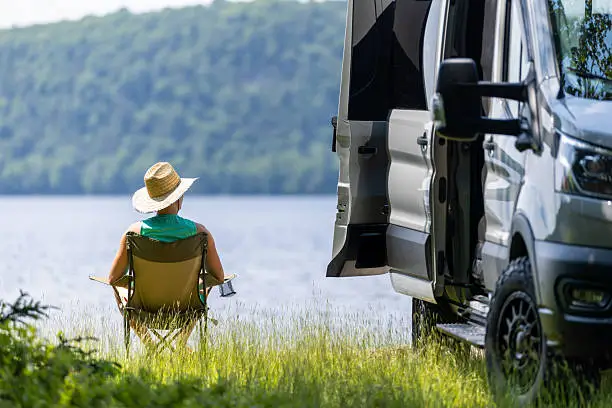
There is nothing quite like waking up inside your van, throwing open the side door, and seeing a mountain lake reflecting the morning sky or hearing ocean waves just a few steps away from where you slept.
Canada road trip vanlife is one of those experiences that quietly changes you. It teaches you that you need far less than you think, that the best moments are free, and that the road always has something new waiting just around the next corner.
Pick a region that genuinely excites you, get your van ready, and go. Canada is waiting with all 10 million square kilometres of it ready to explore.
Pack light, drive slow, and stay curious. The best road trips never have a fixed destination.