Vanlife Travel Guide Canada: Everything You Need to Plan the Perfect Camper Van Adventure
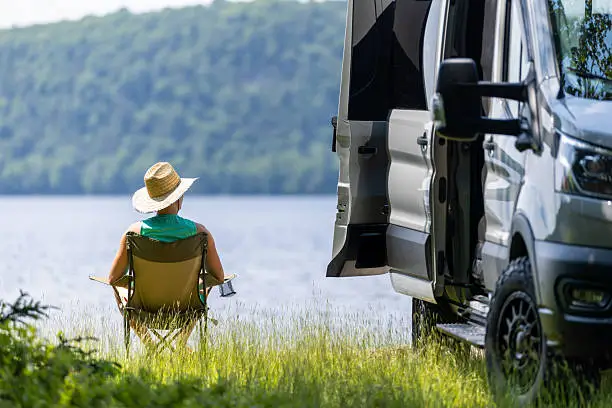
Imagine waking up to the sound of a river rushing past your van, sunlight painting the mountaintops outside your window, and not a single alarm or obligation in sight.
That is the vanlife dream. And in Canada, it is very much a reality.
With some of the most spectacular wilderness on the planet, thousands of kilometres of open highway, and a culture that genuinely respects outdoor living, Canada is one of the best places in the world for a camper van road trip.
Here is the thing though. Vanlife in Canada takes a bit of planning if you want to get it right. The country is massive, the seasons are dramatic, and the distances between services can catch you off guard. Get your prep right and you will have one of the most incredible adventures of your life.
This vanlife travel guide Canada covers everything from choosing your vehicle and planning your route to finding free campgrounds and navigating national parks. Let us build your dream trip together.
Why Vanlife and Canada Are Made for Each Other
Canada is practically built for camper van travel. Here is why.
The scale and diversity alone are unlike anywhere else. Canada stretches nearly 9,000 km from east to west. Along the way you will drive through oceanic coastlines, ancient rainforests, rolling prairies, the Canadian Shield, the Rocky Mountains, boreal forest, and subarctic tundra. No two days on the road look the same.
Camping is also deeply embedded in Canadian culture. That means the infrastructure is excellent with well maintained campgrounds, clean facilities in national parks, and a widespread acceptance of vanlife as a legitimate way to travel.
Free camping availability is another huge plus. Unlike many countries where camping outside official sites is restricted, Canada has millions of hectares of Crown land where dispersed camping is free and legal. This alone can save a vanlife traveler hundreds of dollars a week.
Canada also has 48 national parks covering 340,000 square kilometres of protected wilderness. Many have excellent campgrounds where you can park your van and spend days exploring without ever moving.
Choosing Your Van: What Works Best in Canada
The right vehicle makes or breaks a canada road trip vanlife adventure. Here is what to consider before you buy.
High Top vs Low Roof Vans
A high top van like a tall Ford Transit or Mercedes Sprinter lets you stand up inside. This makes daily living, cooking, changing clothes, and working on a laptop dramatically more comfortable. The trade-off is slightly higher fuel consumption and difficulty in low clearance parking structures.
A low-roof van is more practical for urban overnight parking and gets better fuel economy. But being hunched over all day gets old fast on a long trip.
For Canada, high top wins. You will spend a lot of time in remote areas where parking height is not a concern, and the comfort payoff is absolutely worth it.
New vs Used
Most vanlifers build on used vans. A reliable Ford Transit or Ram ProMaster can be purchased for CAD $15,000 to $30,000, converted for another $5,000 to $15,000, and serve you well for years. New vans offer warranty coverage and peace of mind but they cost CAD $50,000 or more and may feel too precious when you are parked on a rocky backcountry track.
The recommendation here is simple. Buy used but mechanically sound. Have any used van inspected by a trusted mechanic before purchasing. In Canada, road salt and winter conditions can cause significant undercarriage rust on older vehicles so check this carefully.
Fuel Type: Gas vs Diesel
Diesel vans get better fuel economy which matters a lot on long Canadian routes. They also tend to last longer at high mileage. Gasoline vans are cheaper to buy and easier to service in remote areas since more mechanics know gas engines. For a first van, gas is often the more practical and straightforward choice.
Building Your Van for Canadian Conditions
Canada’s climate is extreme and varied. A van that works in Southern California will struggle in the Canadian Rockies in September. Build your van with Canada in mind from the very start.
Insulation Is Non Negotiable
Good insulation is the single most important thing you can do for comfort in Canada. Nights in the mountains can dip below freezing even in July. Without proper insulation you will be cold, your windows will drip with condensation, and your heater will work overtime.
The best approach combines spray foam for complex areas like wheel wells and ribs with rigid foam board such as polyiso or XPS for flat surfaces. Cover everything with a vapour barrier and finish with wood paneling or fabric. Done properly this creates a dramatically more livable space in both hot and cold weather.
Heating: The Difference Between Comfort and Misery
For canada highway camping, a proper heating solution is essential. The most popular option among experienced vanlifers is a diesel air heater. Webasto and Espar are premium brands while more affordable Chinese made units are also widely used.
A diesel heater burns fuel from your tank or a separate small tank, produces steady warm air through the van, uses minimal electricity running on a small 12V fan, and can run all night on a surprisingly small amount of fuel.
A propane heater like a Mr. Heater portable unit is a cheaper and simpler alternative but requires ventilation and propane storage. For occasional cold nights propane works fine. For regular autumn or mountain camping, diesel is worth the investment.
Power: Solar, Battery, and Charging
A solid van power setup for Canada includes two 200W solar panels on the roof, 100 to 200Ah of lithium battery storage, a DC-DC charger to top up batteries while driving, and a 1000W to 2000W inverter for running laptops, cameras, or small appliances.
This setup handles laptop work, phone charging, lighting, a 12V fan, and a diesel heater comfortably. You will need shore power or a generator for high-draw appliances like air conditioners or electric kettles.
Water and Kitchen
A simple setup works well for most van travelers. A 20 to 40 litre water tank with a manual or 12V pump and a small sink covers daily needs. A two-burner propane stove works great for cooking full meals inside the van. A 12V compressor fridge like a Dometic or BougeRV keeps food fresh without needing ice and is worth every dollar on a long trip.
With this setup you can cook real meals, wash dishes, and stay comfortable for days between water refills in towns.
Best Routes for Camper Vans Canada
Some routes are simply better suited to vans than others. Here are the top picks from a best routes for camper vans canada perspective, covering routes with good road surfaces, excellent campgrounds, and incredible scenery.
Route 1: The Rocky Mountain Circuit
Start: Calgary, Alberta | End: Vancouver, BC or back to Calgary | Distance: 2,000 to 3,000 km depending on side trips
This is the most popular vanlife route in Canada and for very good reason. It packs the greatest concentration of stunning scenery, excellent national park campgrounds, and accessible adventure activities into one manageable loop.
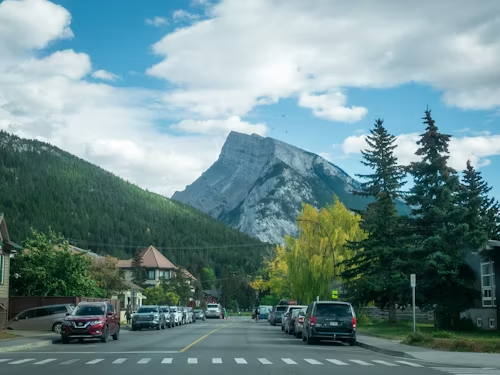
Days 1 to 3 take you from Calgary to Banff National Park to explore Lake Louise, Moraine Lake, and the Banff townsite, including the famous Upper Hot Springs. Days 4 to 6 cover Banff through the Icefields Parkway to Jasper where you can stop at every viewpoint, walk on the Athabasca Glacier, and stargaze in one of Canada’s designated dark sky preserves. Days 7 to 9 take you from Jasper through Mount Robson Provincial Park down to Kamloops, BC. Days 10 to 12 cover the Okanagan Wine Country and Manning Provincial Park. Days 13 to 15 bring you through Hope and along the Sea to Sky Highway to Vancouver and Whistler.
This route uses primarily paved highways and is suitable for any well maintained cargo van.
Route 2: The Pacific Coast Loop
Start and End: Vancouver, BC
This loop takes you north from Vancouver along the Sunshine Coast via ferry, up to Powell River, across to Vancouver Island, and down to Victoria before returning to Vancouver. Highlights include old-growth temperate rainforest, Pacific Rim National Park’s wild surfing beaches, whale watching in Tofino, and the charming Inner Harbour of Victoria. Book BC Ferries ahead in summer as the online system is easy to use and spots fill up quickly.
Route 3: Cross Canada Road Trip Itinerary
For those with time, the classic cross canada road trip itinerary in a camper van is a true bucket list experience. Drive from Halifax on the Atlantic coast all the way to Victoria on the Pacific.
The rough breakdown runs from Halifax through Cape Breton, PEI, and New Brunswick in week one. Quebec City and Montreal in week two. Ottawa, Toronto, and Bruce Peninsula in week three. Lake Superior and Thunder Bay in week four. Winnipeg and the Prairies in week five. Banff and the Icefields Parkway in week six. Then through BC to Vancouver and Victoria in weeks seven and eight.
This is an ambitious route but it is entirely doable in a reliable van with solid planning.
Canada Highway Camping: Finding Your Perfect Spot Every Night
One of the best parts of canada highway camping is the sheer variety of options available to you every single night.
National Park Campgrounds
These are the gold standard. Excellent facilities, stunning locations, and wildlife that wanders through camp regularly. Book through the Parks Canada reservation system as reservations open in January for the summer season. Popular campgrounds in Banff and Jasper sell out within hours of opening so set a reminder well ahead of time.
A useful tip is to look for sites listed as non hookup or unserviced tent and RV spots. These are usually in more scenic locations than the hookup sites clustered near facilities.
Provincial Park Campgrounds
Each province runs its own park system including Ontario Parks, BC Parks, and Alberta Parks. All have online reservation systems and offer excellent campgrounds at lower prices than national parks. These sites are often less crowded and equally beautiful.
Free Crown Land Camping
This is the vanlife secret weapon in Canada. Crown land is government owned public land where dispersed camping is generally permitted for up to 14 consecutive days. The iOverlander app has thousands of user reported free camping spots across Canada. BC also has an excellent system of free recreation sites marked on both iOverlander and Google Maps. Ontario has extensive Crown land particularly in the north and the Ontario Ministry of Natural Resources publishes detailed maps to help you find the right spot.
Rules to keep in mind include the 14 day stay limit, no services of any kind so bring a portable toilet or practice proper cat hole technique, Leave No Trace always applies, and fire restrictions vary by season so always check before lighting a fire.
Rest Areas and Pullouts
Many Canadian highways have designated rest areas where overnight parking is permitted. If there is no overnight prohibition sign posted you are generally fine to stay. Rest areas in BC and the Yukon often come with exceptional views as a bonus.
Seasonal Vanlife in Canada: When to Go and What to Expect
Summer: Peak Season
Long daylight hours of up to 18 or more hours in the north, warm temperatures, all services open, and ideal conditions for hiking and outdoor activities. The downside is that popular campgrounds fill up fast and national parks get busy. This is the best season for first timers and families.
Shoulder Season: The Sweet Spot
Far fewer crowds, lower campground prices, spring wildflowers in May, and spectacular fall foliage in September. Wildlife is active and highly visible during these months. Some facilities may not be fully open in May or may be winding down in September but the experience is often better than peak summer. This is the season experienced vanlifers often prefer.
Winter: For the Committed
Snow covered landscapes of extraordinary beauty, excellent skiing, very few other travelers, and northern lights viewing from September through March. However, this requires a properly equipped van with Arctic-rated insulation, a reliable diesel heater, and winter tires. Many campgrounds close and some roads are impassable without AWD or 4WD. Temperatures can drop to minus 30 degrees Celsius or colder in the interior. Not recommended for beginners.
Practical Tips for Your Vanlife Canada Journey
Stay connected smartly. Get a local SIM from Telus, Rogers, or Freedom Mobile. Telus has the best rural coverage across Canada. A 10 to 20GB prepaid data plan runs about CAD $40 to $60 per month and is more than enough for navigation and staying in touch.
Respect fire bans. Every summer, large portions of BC, Alberta, and other provinces experience fire bans due to wildfire risk. Always check current restrictions before building a campfire. The BC Wildfire Service website displays current ban status by region and is updated regularly.
Drive within your limits. A fully loaded van handles differently than a car. Allow more stopping distance, take mountain grades slowly, and give yourself extra time on remote roads. If you are new to driving something large, practice in quiet areas before heading onto major highways.
Join the vanlife community. Canada has an active and genuinely helpful vanlife community. Groups on social media and communities on Reddit including r/vandwellers and r/canadavanlife are full of experienced travelers sharing real and current information about road conditions, free camping spots, and practical van life tips.
Keep an emergency kit. Every van should carry jumper cables or a portable jump starter, a basic tool kit, duct tape, zip ties, spare fuses, a first aid kit, emergency blankets, a fire extinguisher, and enough food and water for three days in case you break down on a remote road.
FAQs
How much does a Canada vanlife trip cost per month? A comfortable solo or couple’s vanlife trip in Canada typically costs CAD $1,500 to $2,500 per month all in covering fuel, food, campgrounds, activities, and a small maintenance buffer. Free Crown land camping significantly reduces accommodation costs and is one of the best ways to stretch your budget.
Can I do Canada vanlife without building a van? Absolutely. Several companies rent converted camper vans in Vancouver, Calgary, and Toronto. Escape Campervans, CanaDream, and Outdoorsy which is a peer-to-peer rental platform all offer well-equipped vans. Rates range from roughly CAD $100 to $200 per day depending on the season and vehicle type.
Do I need a generator for Canada vanlife? Not necessarily. A good solar and battery setup handles most vanlife power needs comfortably. Generators are noisy, produce exhaust fumes, and are prohibited in many campgrounds during quiet hours. Solar is a better long-term investment for most travelers.
What should I do if I encounter a bear near my van? Stay inside the vehicle or maintain a safe distance. Never feed or approach the bear. If you are outside, speak calmly, avoid direct eye contact, make yourself appear large, and back away slowly. Never run. Bear spray is effective if a bear charges so always carry it on your person while hiking, not just stored in the van.
Is vanlife in Canada suitable for first-time travelers? Yes, especially in summer. Start with a well-traveled route like the Rocky Mountain Circuit which has excellent campground infrastructure and clear road signage throughout. Book your first few nights in advance, download offline maps before leaving any city, and you will be well prepared for everything Canada throws at you.
Start Planning Your Canadian Vanlife Adventure
Canada is one of those rare places where the reality genuinely exceeds the hype. The mountains are bigger than the photos. The lakes are more impossibly blue. The scenic routes canada offers stretch further than you ever expect. And the feeling of waking up in a place you chose, on your own schedule, with nothing ahead of you but open road and adventure, that feeling is completely real.
Whether you are starting with a two week rental van on the Rocky Mountain Circuit or embarking on a full cross canada road trip itinerary in your own converted home on wheels, Canada will deliver.
Do your planning, prep your van for the conditions, book the campgrounds you need early, leave room for the unexpected, and hit the road.
Canada is ready when you are.