Vanlife Setup Canada The Complete Guide for 2026
Vanlife in Canada is growing fast. More Canadians are leaving expensive cities, choosing freedom over rent, and converting vans into full time homes. But a vanlife setup in Canada is not the same as in warmer countries.
Canada has unique challenges: extreme winters, remote highways, limited cell coverage, and long distances between cities. A proper vanlife setup built for Canadian conditions makes the difference between a miserable experience and the adventure of a lifetime.
In this complete guide, you will learn everything about building a vanlife setup in Canada from choosing the right van to insulation, power, storage, heating, and internet. Whether you are a complete beginner or planning your first conversion, this guide covers it all.
Why Canada Demands a Smarter Setup
Most vanlife content online is written for the American Southwest or European summers. Canada is a completely different challenge. The winters are colder, the distances are greater, and the remote areas are far more isolated.
A vanlife setup built for Canada needs to handle:
• Temperatures dropping below -30°C in winter
• High humidity and condensation inside the van
• Long stretches without phone signal or power hookups
• Rough gravel roads in national parks and Crown land
• Short daylight hours affecting solar production in winter
Once you accept these realities, building the right setup becomes straightforward. Every decision from insulation thickness to battery chemistry should be made with Canadian conditions in mind.
Choosing the Right Van
Your setup starts with the vehicle. In Canada, the most popular vans for full conversions are:
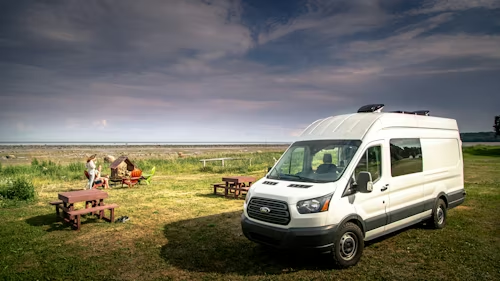
Ford Transit The most common choice among Canadian vanlifers. Available in high roof configuration, widely serviced at dealerships across the country, and parts are easy to find even in smaller cities.
Mercedes Benz Sprinter Premium build quality and a cult following in the vanlife community. More expensive to buy and repair, but the high roof interior space is hard to beat.
RAM ProMaster Front-wheel drive gives it an advantage in winter driving conditions. Good interior width and available in high-roof trim.
Dodge Grand Caravan The budget entry point for part-time vanlifers. Much smaller space, but thousands of Canadians have built simple weekend setups in these.
Insulation The Foundation of Everything
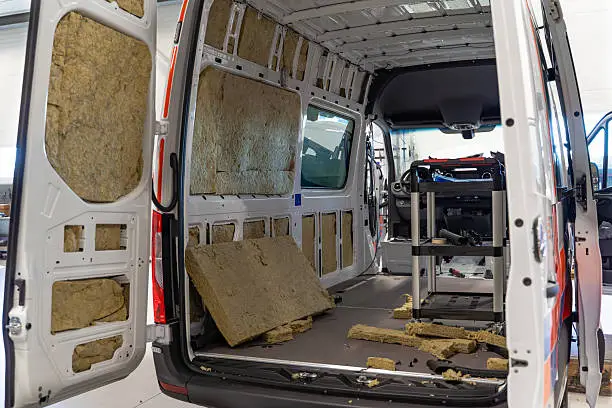
Insulation is the single most important part of your Canadian vanlife setup. Without it, you will burn through heating fuel in winter, and cook alive in a metal box during a summer heat dome in BC.
Best insulation materials for Canadian vans:
• Polyiso rigid foam boards : Highest R-value per inch of any rigid insulation. Use 2 inch boards on walls for approximately R-13.
• Spray foam Excellent for sealing gaps around ribs and irregular shapes. Prevents cold bridges where metal touches metal.
• Sheep’s wool is natural and breathable. Handles moisture well, which matters in Canadian humidity.
• 3M Thinsulate Popular for ceilings and door panels where space is tight.
Target R values for Canada: Walls R 13 minimum, Ceiling R 19 minimum, Floor R 8 minimum.
Always address condensation. In cold Canadian winters, warm moist air hitting a cold metal surface creates water inside your walls. A proper vapour barrier combined with breathable insulation prevents mould from developing within weeks of your first cold stretch.
Heating Non Negotiable in Canada
A reliable heating system is survival equipment in Canada, not a luxury. The best options:
Diesel heater The gold standard for Canadian vanlife. Units like the Webasto Air Top 2000 or budget Chinese alternatives burn diesel fuel and heat the van independently of your electrical system. They use very little fuel and can maintain comfort at -30°C outside.
Propane heater is simpler and cheaper upfront, but propane produces moisture as it burns, which makes condensation worse. Requires ventilation and is less efficient at extreme cold.
Power System Solar and Battery Setup
Off-grid power is essential. When you are parked on Crown land in northern Ontario or camped in Kluane National Park, there is no shore power available.
| Component | Recommendation | Notes |
| Solar panels | 400W minimum | 2 x 200W monocrystalline |
| Battery | 200Ah LiFePO4 | Performs well in cold |
| Charge controller | MPPT 40A | More efficient than PWM |
| Inverter | 2000W pure sine | Runs fridge and laptop |
Lithium batteries are strongly recommended for Canada. AGM batteries lose up to 40% capacity at -20°C. Lithium LiFePO4 batteries maintain near full performance in the same conditions when kept inside the van.
Water System
A functional water system makes vanlife sustainable long term. The basics:
• Fresh water tank: 20 to 40 litres for a solo vanlifer
• 12V water pump providing running water on demand
• Simple sink draining into a grey water container
• Water filter essential when filling from lakes or questionable taps
In Canadian winters, keep your water tank inside the van. An external tank freezes solid within hours at -20°C.
Total Cost of a Vanlife Setup in Canada
| Setup Level | What Is Included | Estimated Cost (CAD) |
| Basic | Insulation, bed, basic kitchen | $2,000 to $5,000 |
| Mid range | Solar, diesel heater, full kitchen | $6,000 to $12,000 |
| Full build | Everything + lithium, fridge, Starlink | $15,000 to $30,000 |
Frequently Asked Questions
How much does a complete vanlife setup cost in Canada?
A basic DIY setup starts around $2,000 to $5,000. A fully comfortable build with solar, lithium battery, diesel heater, and fridge typically costs $10,000 to $20,000 in Canada depending on materials and van cost.
Which van is best for vanlife in Canada?
The Ford Transit high roof is the most popular choice for full time Canadian vanlife. It offers standing height, reliability in cold weather, and widely available parts across Canada.
Can you do vanlife in Canadian winter?
Yes, thousands of Canadians live in vans year round. The key is proper insulation (R 13 walls minimum), a diesel heater, and lithium batteries. With the right setup, vanlife in Canadian winter is very manageable.
Is vanlife legal in Canada?
Living in a van is completely legal in Canada. Rules vary for where you can park overnight. National parks, Crown land, and many rest stops allow free camping. Always check provincial regulations before parking long term in cities.
Conclusion
A well planned vanlife setup in Canada gives you access to some of the most spectacular landscapes on earth, on your own schedule, without paying rent. Start with the fundamentals: good insulation, a reliable heater, and a basic power system. You can always add more as you learn what you actually need on the road.
Ready to go deeper? Explore our detailed guides on van insulation for Canadian weather, solar setup for vanlife, and the best diesel heaters for cold climates.