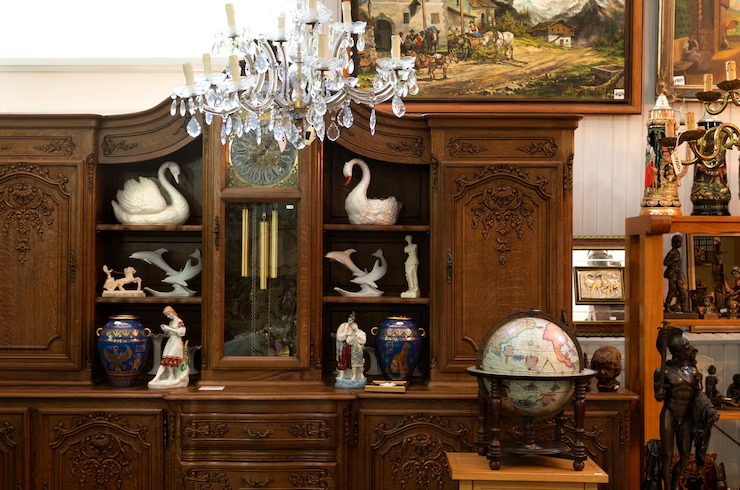

The 1920s was a decade marked by significant cultural and artistic movements, and furniture design was no exception. Among the most cherished pieces from this era are the antique china cabinets, which not only served as functional storage but also as statement pieces in homes. These cabinets reflect the craftsmanship and aesthetic values of the time, making them highly sought after by collectors and interior designers today.
Understanding the Antique China Cabinet
What Is an Antique China Cabinet?
An antique china cabinet is a piece of furniture designed to display fine china, glassware, and collectibles. Typically featuring glass doors and shelves, these cabinets allow for the elegant presentation of delicate items. The 1920s china cabinets were often crafted from high-quality woods and showcased intricate designs, making them both functional and decorative.
Design Characteristics of 1920s China Cabinets
Materials Used
The 1920s saw a variety of materials used in the construction of china cabinets. Hardwoods like oak, walnut, and mahogany were popular choices due to their durability and rich appearance. Some cabinets featured inlays of exotic woods or decorative elements such as glass panels and mirrored backs to enhance the display of contents.Top China Travel
Architectural Styles
China cabinets from the 1920s were influenced by several architectural styles:Wikipedia
- Art Deco: Characterized by bold geometric patterns, clean lines, and luxurious materials.
- Colonial Revival: Emphasized traditional American craftsmanship with classic proportions and details.
- Chinoiserie: Incorporated Asian-inspired motifs, reflecting the Western fascination with the Orient during this period.Wikipedia+1Wikipedia+1
These styles contributed to the diverse range of designs seen in 1920s china cabinets.
Historical Significance
The Roaring Twenties and Interior Design
The 1920s, often referred to as the “Roaring Twenties,” was a time of economic prosperity and cultural change. This period saw a shift in interior design towards more opulent and decorative furnishings. China cabinets became a focal point in dining rooms and parlors, showcasing the homeowner’s taste and social status.Wikipedia
Influence of Global Trade
The increased global trade during the 1920s introduced new materials and design influences. Exotic woods and lacquer techniques from Asia became more accessible, leading to the incorporation of these elements into china cabinet designs. This fusion of Eastern and Western styles gave rise to unique pieces that are highly valued by collectors today.
Identifying an Authentic 1920s China Cabinet
Key Features to Look For
When assessing the authenticity of a 1920s china cabinet, consider the following:
- Construction: Look for dovetail joints and solid wood construction, indicating quality craftsmanship.
- Design Elements: Examine the presence of period-specific design motifs such as fluted columns, carved details, and glass inlays.
- Hardware: Original hardware like brass handles and hinges can be a sign of authenticity.
- Finish: The finish should show signs of age, such as slight wear or patina, rather than a brand-new appearance.
Provenance and Documentation
Provenance plays a crucial role in determining the value of an antique china cabinet. Documentation such as original purchase receipts, maker’s marks, or family records can provide insight into the cabinet’s history and authenticity.
Caring for Your Antique China Cabinet
Regular Cleaning
Dust your china cabinet regularly using a soft, lint-free cloth to prevent the buildup of dirt and grime. Avoid using harsh chemicals that can damage the finish.
Proper Display
When displaying items inside the cabinet, ensure that they are not overcrowded, allowing for proper ventilation. Use felt pads under delicate items to prevent scratches on the shelves.
Environmental Considerations
Maintain a stable environment for your china cabinet. Avoid placing it in areas with direct sunlight, high humidity, or extreme temperatures, as these conditions can cause warping or fading.
The Value of Antique China Cabinets
Factors Affecting Value
Several factors influence the value of an antique china cabinet:
- Age and Authenticity: Older, well-documented pieces are generally more valuable.
- Condition: Cabinets in original, well-preserved condition are more sought after.
- Design and Craftsmanship: Unique designs and high-quality craftsmanship can increase value.
- Provenance: A documented history or association with notable individuals can enhance value.
Market Trends
The market for antique china cabinets has seen fluctuations, with certain styles experiencing periods of increased demand. Collectors often seek pieces that represent the pinnacle of design and craftsmanship from the 1920s.
Incorporating Antique China Cabinets into Modern Interiors
Blending Styles
An antique china cabinet can serve as a striking focal point in a modern interior. By pairing it with contemporary furnishings, you can create a harmonious blend of old and new, adding character and depth to your space.
Functional Use
While traditionally used to display fine china, these cabinets can also serve as storage for books, collectibles, or even as a bar cabinet, showcasing their versatility in modern settings.
Conclusion
Antique china cabinets from the 1920s are more than just furniture; they are a testament to the craftsmanship and design sensibilities of a bygone era